We use cookies and other tracking technologies to improve your browsing experience on our website, to show you personalized content and targeted ads, to analyze our website traffic, and to understand where our visitors are coming from.
⚠️
GDPR & Cookie Policy Notice
In accordance with data protection regulations; the use of mandatory cookies is required for the core functions of our website to operate, ensure data security, and perform analytics. If you reject the use of cookies, it is not possible to benefit from the services on our website due to technical limitations and data synchronization interruptions. You must consent to the use of cookies to access the content on our site.
BilgeAdamBanka: Secure and Layered Banking API Architecture with .NET 8.0
Modern financial systems require robust architectural foundations for data security, transaction validation, and system sustainability. BilgeAdamBanka is a hybrid N-Tier API solution designed to manage credit card transactions (CRUD operations) using the latest capabilities of the .NET 8.0 ecosystem.
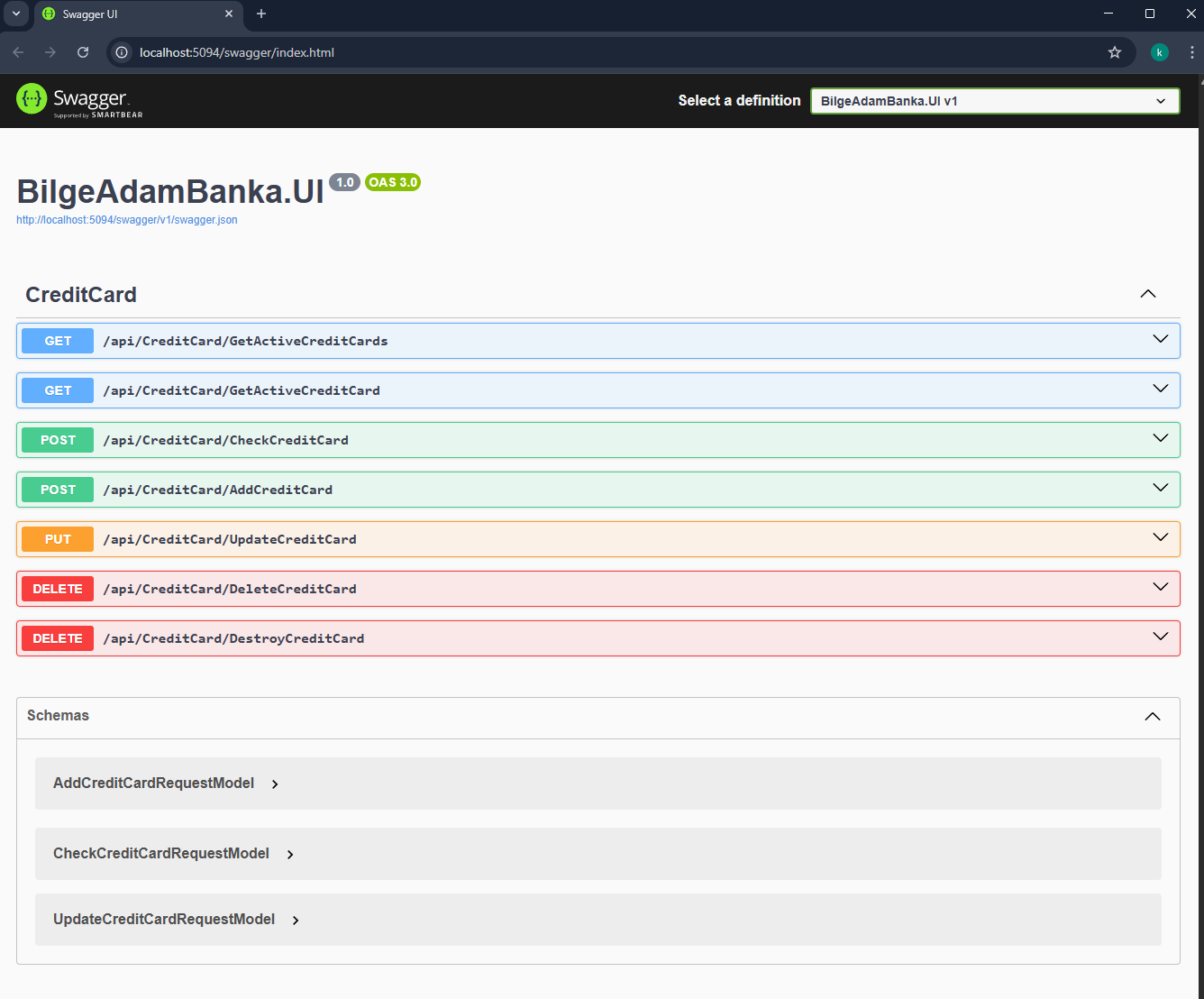
Figure 1: “BilgeAdamBanka”; includes a Bank API system with a layered architecture to manage credit card transactions (creation, viewing, updating, deleting).
1. Architectural Approach: Layered Structure
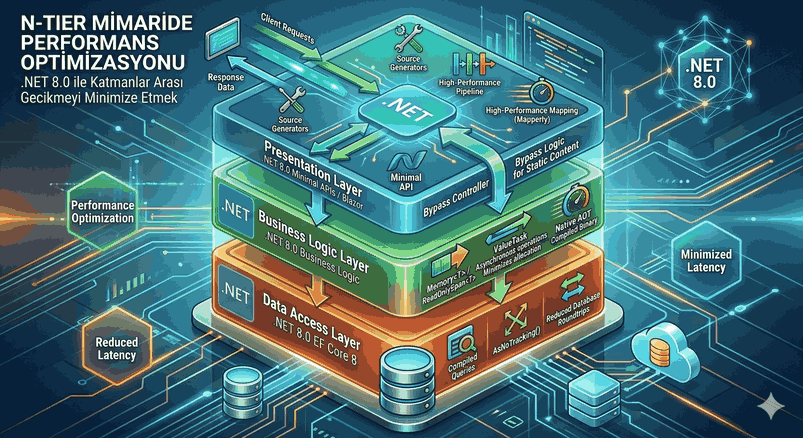
The project is built upon an N-tier structure where business logic is completely separated from data access and API endpoints exposed to the outside world. This modularity maximizes the testability and maintainability of the system.
Responsibilities of the Layers
API Layer (Presentation Layer): The entry point where HTTP requests from the outside world are handled, models are validated, and responses are returned.
Business Logic Layer (BLL): The hub for banking business rules (e.g., card limit checks, transaction validations).
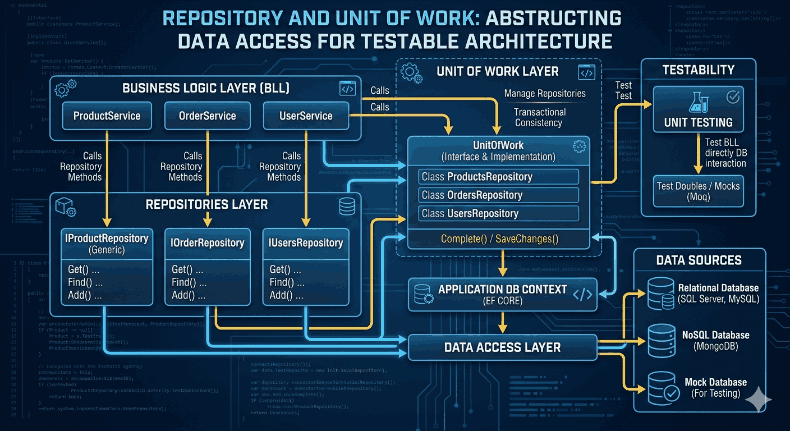
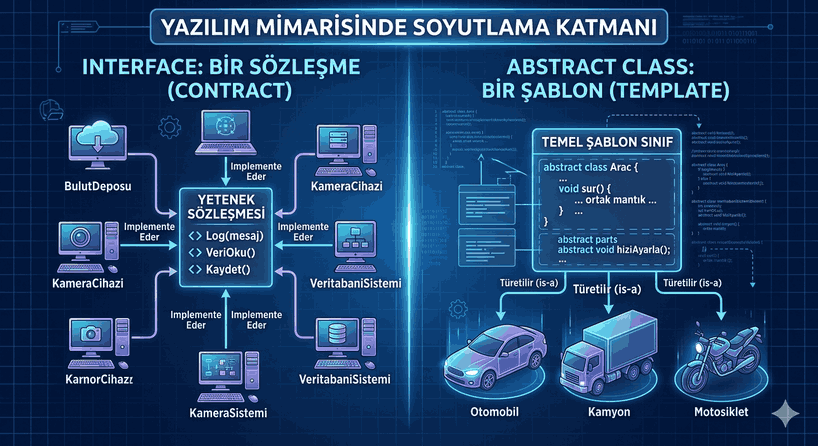
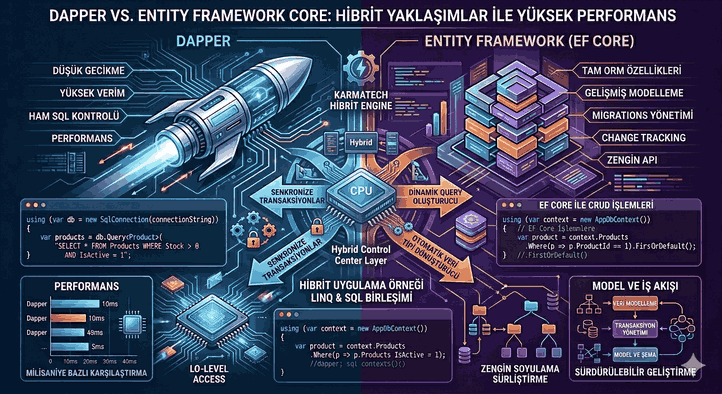
Data Access Layer (DAL): The layer that communicates directly with the database using Entity Framework Core, where CRUD operations are abstracted.
Infrastructure: The support layer containing centralized logging, error management, and security configurations.
2. Technologies and Tools Used
The project was developed with a technology stack that follows current standards and industrial best practices:
Framework: .NET 8.0
Language: C#
ORM: Entity Framework Core
Database: SQL Server (Relational modeling)
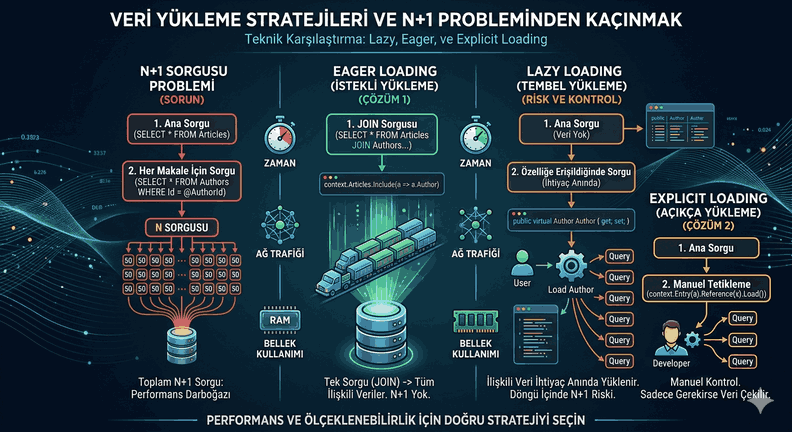
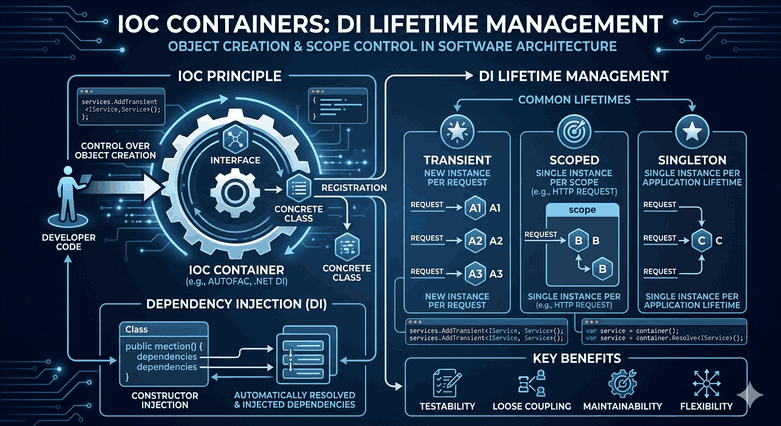
Architectural Patterns: Repository Pattern, Unit of Work, Dependency Injection
3. Core Functionality
BilgeAdamBanka securely provides the essential credit card management functions expected from a banking API:
Transaction Management: Secure creation, listing, updating, and removal of credit card information from the system.
Data Consistency: Thanks to the use of DTOs (Data Transfer Objects) used in transitions between layers, the database schema and the external interface are isolated from each other.
Query Optimization: Through the use of the Repository Pattern, database queries have been optimized and code duplication has been minimized.
4. Software Standards
The following principles have been applied to ensure the code remains at professional standards:
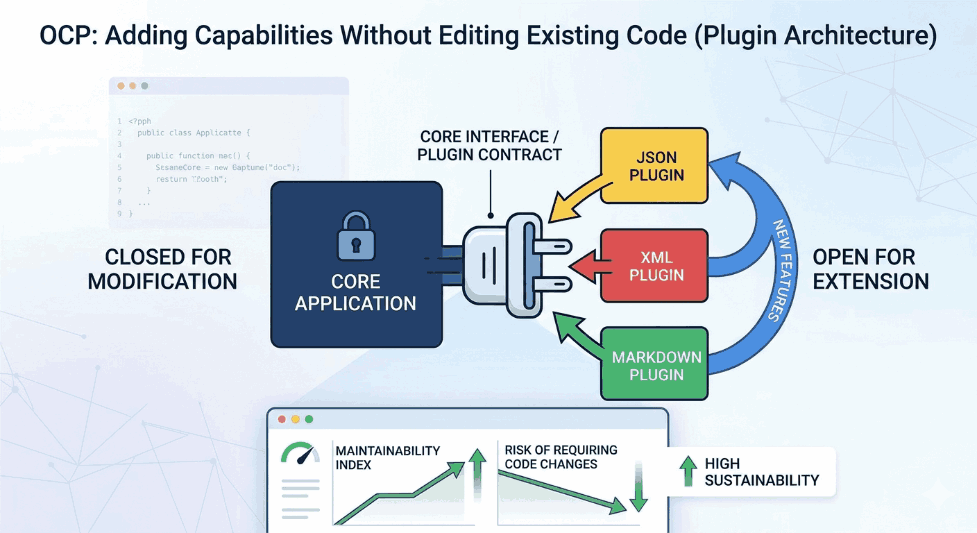
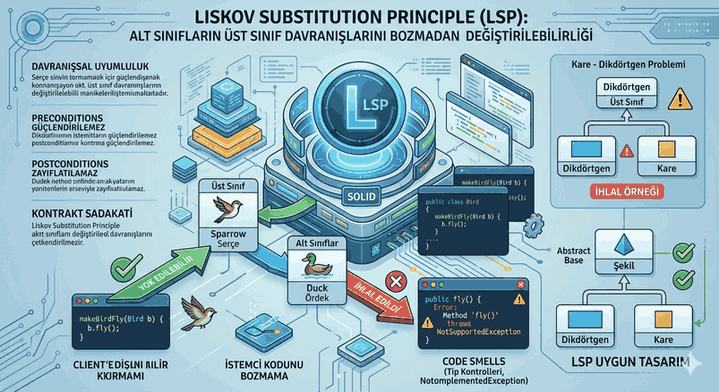
SOLID: Keeping the code flexible, extensible, and in a structure with low margin for error.
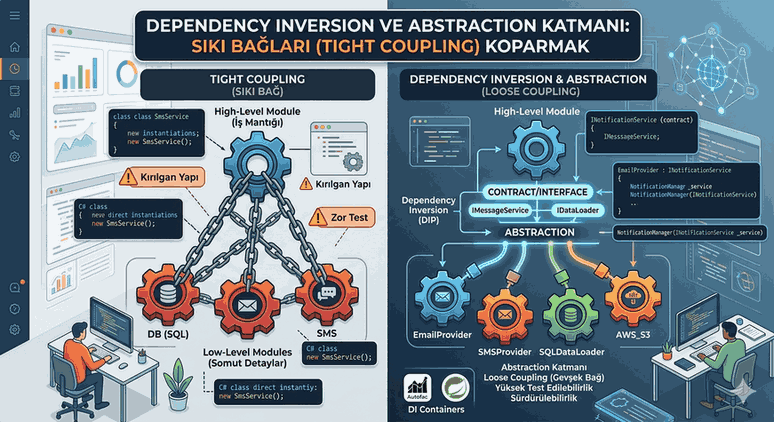
Dependency Injection: Reducing the interdependence of services, thereby facilitating testing processes.
RESTful Principles: Consistent API design using standard HTTP methods (GET, POST, PUT, DELETE).
Project Access and Development
The BilgeAdamBanka project demonstrates how a modern banking module can be architecturally structured. You can access the project’s source code and technical structure via the link below:
Combining the power of .NET 8.0 and N-tier architecture, BilgeAdamBanka serves as a fundamental reference for those who want to develop projects in the field of financial technologies (FinTech). Thanks to robust database abstraction and clean code principles, it is quite easy to add new modules onto this structure.