We use cookies and other tracking technologies to improve your browsing experience on our website, to show you personalized content and targeted ads, to analyze our website traffic, and to understand where our visitors are coming from.
⚠️
GDPR & Cookie Policy Notice
In accordance with data protection regulations; the use of mandatory cookies is required for the core functions of our website to operate, ensure data security, and perform analytics. If you reject the use of cookies, it is not possible to benefit from the services on our website due to technical limitations and data synchronization interruptions. You must consent to the use of cookies to access the content on our site.
DevSecOps and Secure Coding: Security Automation in SDLC Processes and ORM Security
In the modern software development world, speed and security are no longer competing concepts, but complementary elements. The DevSecOps approach, shaped by the “Shift-Left” philosophy, aims to minimize manual errors by integrating security controls into every stage of the Software Development Life Cycle (SDLC).
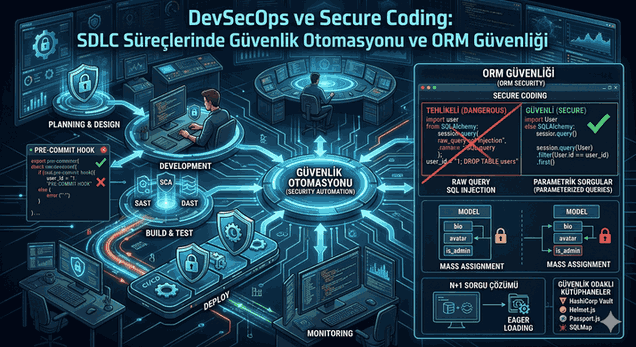
Figure 1: DevSecOps and Secure Coding: Security Automation in SDLC Processes and ORM Security
1. DevSecOps: Security Automation in SDLC
In traditional models, security was a “gate” check performed just before a product went live. DevSecOps, on the other hand, breaks this process down into automated checkpoints.
1.1. Automation Layers in CI/CD Integration
Security automation is built on three main pillars:
SAST (Static Application Security Testing): Analyzing source code before compilation. Vulnerabilities within the code (hardcoded passwords, SQL Injection risks, etc.) are caught at this stage. Tools like SonarQube or Snyk play a critical role here.
SCA (Software Composition Analysis): 80% of modern software consists of open-source libraries. SCA scans the known CVE (Common Vulnerabilities and Exposures) records of the npm, pip, or maven packages being used.
DAST (Dynamic Application Security Testing): The application is tested at runtime. Configuration errors are detected through attack simulations performed on API endpoints.
1.2. Pre-Commit Hook Configuration
Security starts at the developer’s terminal. By using Git hooks, insecure code can be prevented from entering the repository.
Secure coding is not just about cleaning external data; it is about building the system architecture on “secure by default” principles.
2.1. Input Validation vs. Output Encoding
While Input Validation checks that data is of the expected type, length, and format, Output Encoding prevents data from being executed as “code” by the browser or terminal (XSS protection).
2.2. Memory Management and Thread Safety
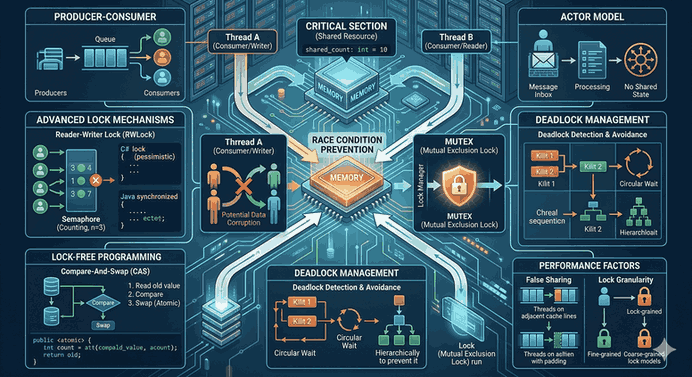
In languages like C++ or Rust, memory leaks or buffer overflow vulnerabilities can lead to the complete compromise of the system. In modern languages like Java or Go, “Concurrency” errors can lead to data leaks.
3. ORM Security: Risks Brought by Abstraction
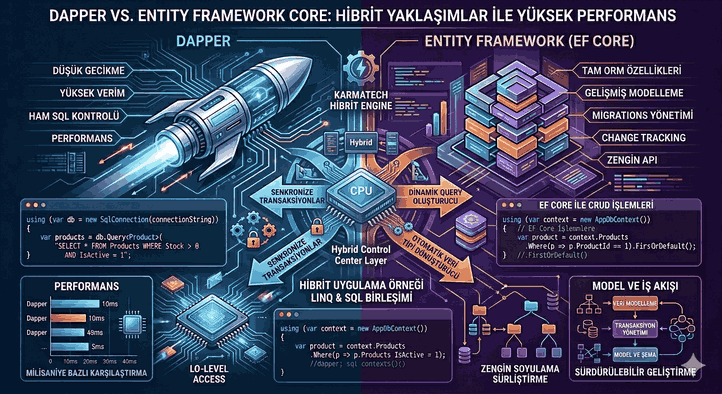
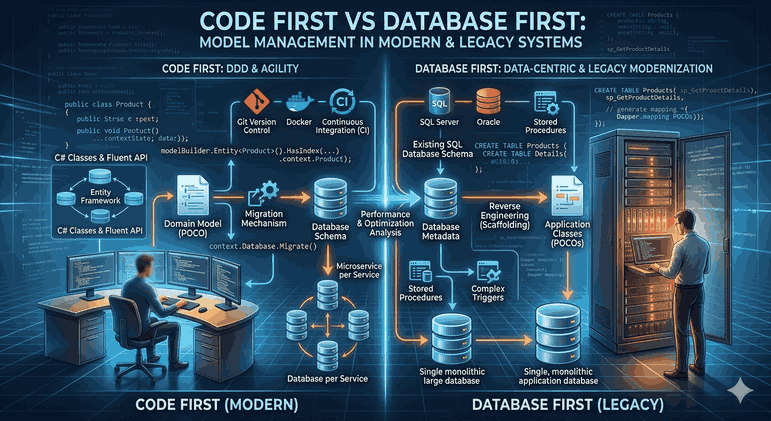
ORM libraries (Hibernate, Entity Framework, Sequelize, SQLAlchemy) save developers from writing manual SQL, but when used incorrectly, they create a “false sense of security.”
3.1. SQL Injection and the Raw Query Trap
ORMs generally use “Parameterized Queries,” which largely prevents SQL Injection. However, for complex queries, developers often resort to the raw query method.
Incorrect Usage (Python/SQLAlchemy):
# Dangerous: Creating query with string formattinguser_id ="1; DROP TABLE users"session.execute(f"SELECT * FROM users WHERE id = {user_id}")
Secure Usage:
# Correct: Using parametric querysession.query(User).filter(User.id == user_id).first()
3.2. Mass Assignment Vulnerability
Modern ORMs can map all data coming from an HTTP request directly to a model object. If an attacker adds the is_admin: true parameter to the request and this field is not “protected,” privilege escalation occurs.
Example Protection (Node.js/Sequelize):
// Only allow specific fields to be updated
User.update(
{ bio:req.body.bio, avatar:req.body.avatar },
{ where: { id:req.user.id } }
);
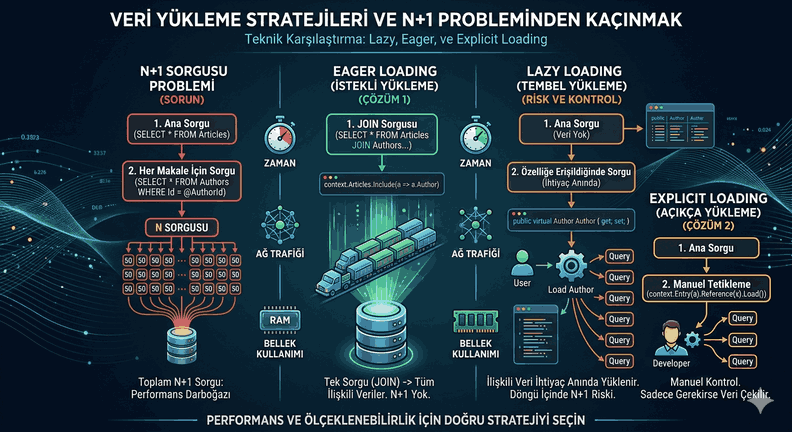
3.3. N+1 Query Problem and DoS Risk
Although it may not technically appear to be a security vulnerability, poorly structured ORM queries create excessive load on the database, paving the way for Denial of Service (DoS) attacks. This risk should be minimized by using Eager Loading.
4. Security-Oriented Libraries and Tools
The integration of the following libraries should be standardized in the software development process:
The user account with which the application connects to the database should never be root or db_owner. It should only have SELECT, INSERT, UPDATE permissions on necessary tables; commands such as DROP or ALTER should be blocked.
Note 2: Logging and Monitoring
Security events (failed login attempts, unusual SQL errors) must be transferred to a centralized log system (ELK Stack, Splunk) and anomaly detection must be performed. However, sensitive data (credit card info, passwords) should never be written to logs.
Note 3: Container Security
If the application is containerized, minimal images such as “Distroless” or “Alpine” should be chosen as the base image. This narrows the attack surface.
Conclusion
DevSecOps transforms security from a “checklist” into a living process. A development team that has internalized Secure Coding principles and a correctly configured ORM layer protect the organization not only from known attacks but also from complex logic errors. It should be remembered that the most secure code is the code that has not been written; the security of written code is subject to continuous audit.