We use cookies and other tracking technologies to improve your browsing experience on our website, to show you personalized content and targeted ads, to analyze our website traffic, and to understand where our visitors are coming from.
⚠️
GDPR & Cookie Policy Notice
In accordance with data protection regulations; the use of mandatory cookies is required for the core functions of our website to operate, ensure data security, and perform analytics. If you reject the use of cookies, it is not possible to benefit from the services on our website due to technical limitations and data synchronization interruptions. You must consent to the use of cookies to access the content on our site.
Performance Optimization and Latency Management in N-Tier Architecture
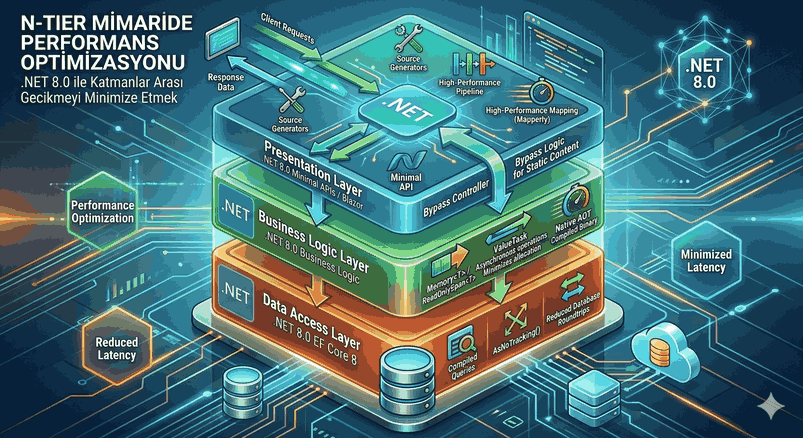
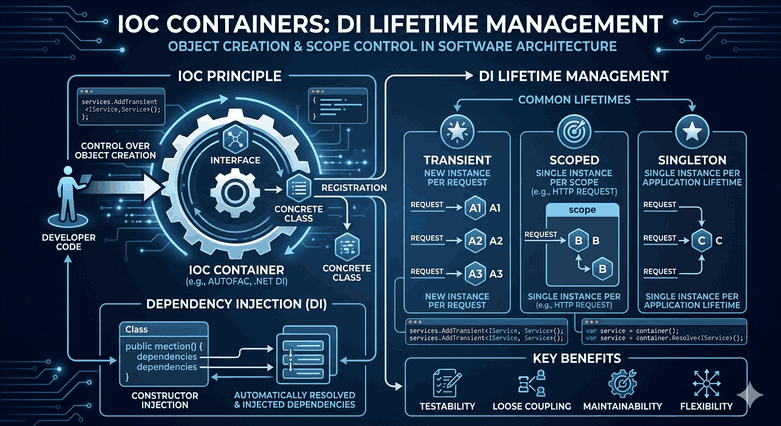
In modern enterprise software development processes, N-Tier (multi-layered) architecture has become the industry standard for sustainability and code separation. However, dividing an application logically or physically into presentation, business logic, and data access layers inevitably brings the phenomenon of “inter-layer latency.” The .NET 8.0 ecosystem provides powerful tools to minimize these architectural costs with its low-level improvements and modern runtime capabilities.
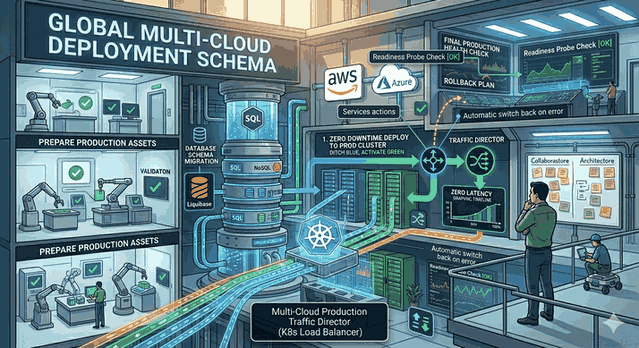
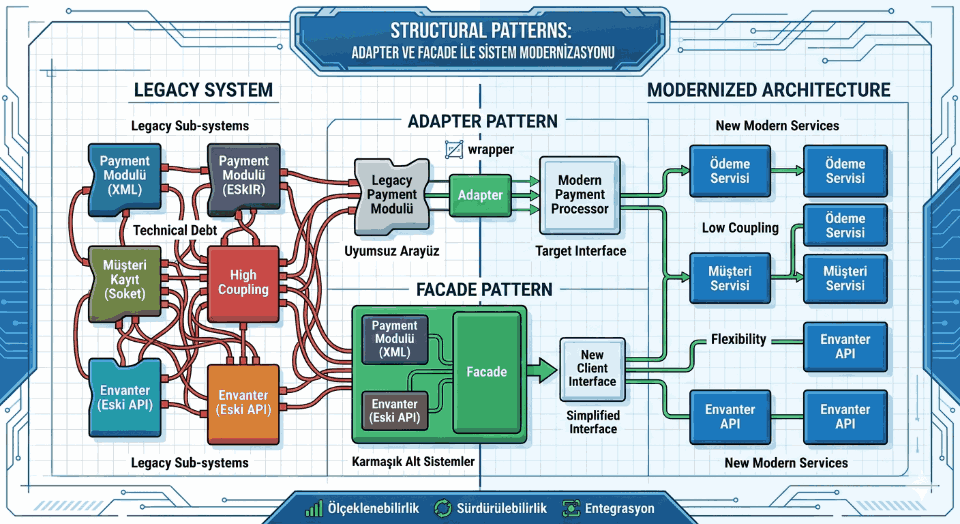
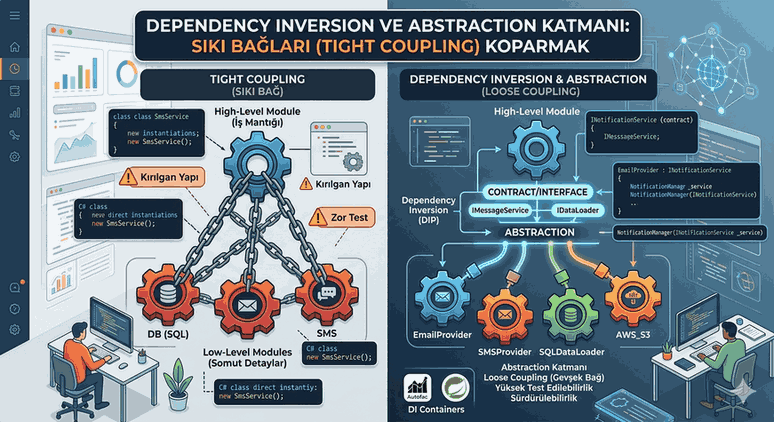
Figure 1: Performance Optimization and Latency Management in N-Tier Architecture.
Fundamental Sources of Inter-Layer Latency
Performance losses in N-Tier architecture are generally concentrated in these three main areas:
Serialization/Deserialization Costs: Converting data to formats like JSON or XML during object transfers between layers (especially in physically separated layers) creates significant CPU and memory load.
Object Mapping: The convenience provided by libraries like AutoMapper can cause latency in high-traffic systems due to reflection overhead.
IO-Bound Waits and Context Switching: Synchronous code structure leads to thread pool exhaustion and causes calls between layers to wait in queues.
Optimization Strategies with .NET 8.0
1. Asynchronous Flow and Thread Pool Management
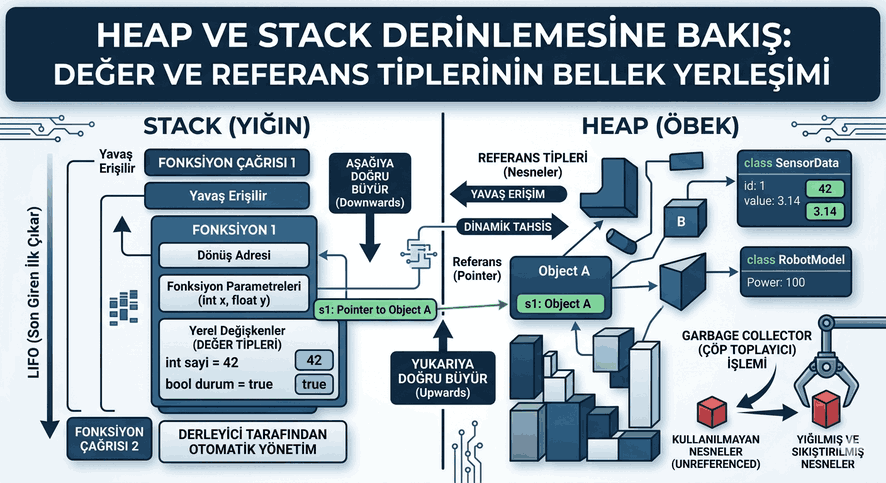
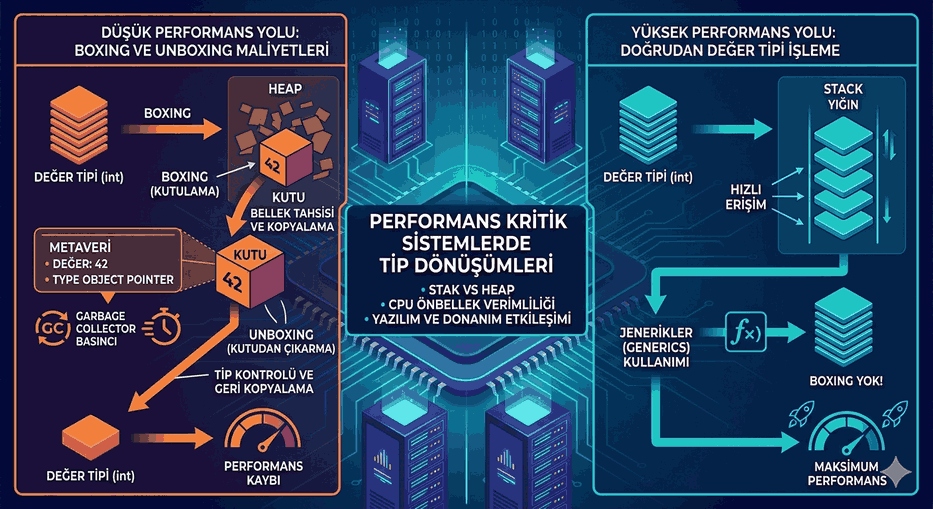
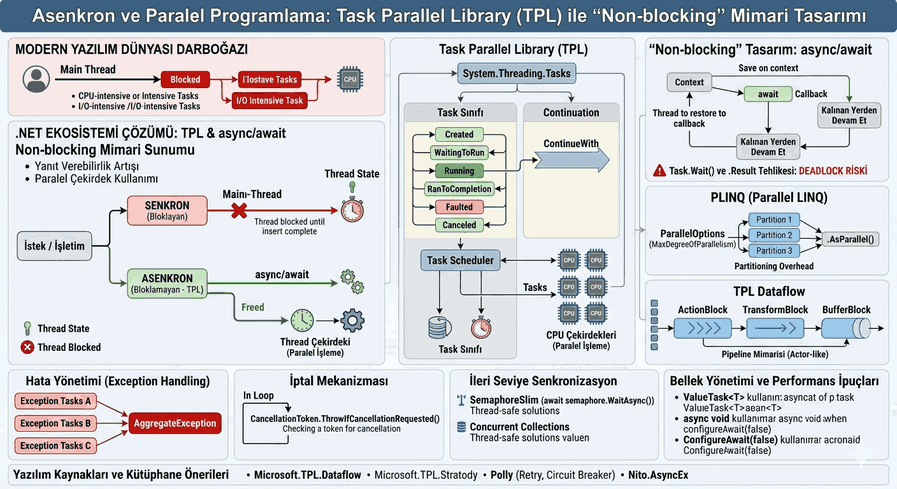
The first rule of reducing latency is not to block threads. The improved Task library and the use of ValueTask in .NET 8.0 reduce allocation, especially in frequently called data access methods.
// Example: Reducing memory allocation with ValueTaskpublicasync ValueTask<UserDto> GetUserByIdAsync(int id)
{
// Using ValueTask instead of Task minimizes heap allocation// when data from the repository is often readily available.var cachedUser = _cache.Get(id);
if (cachedUser != null) return cachedUser;
returnawait _repository.GetByIdAsync(id);
}
2. High-Performance Mapping and Reflection Limitation
Reflection is slow because it accesses metadata at runtime. Using Source Generators in .NET 8.0 to perform type conversion at compile time reduces latency in cross-layer data transfer to almost zero.
Tip: Instead of AutoMapper, prefer libraries like Mapster or Mapperly, which generate type conversion code at compile time.
3. Native AOT and Memory Management
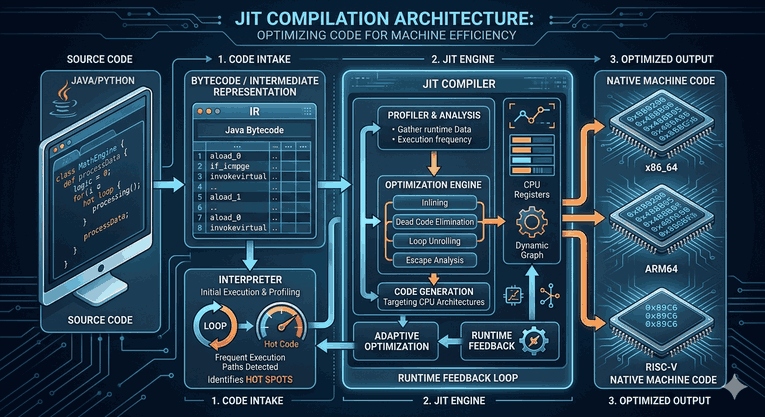
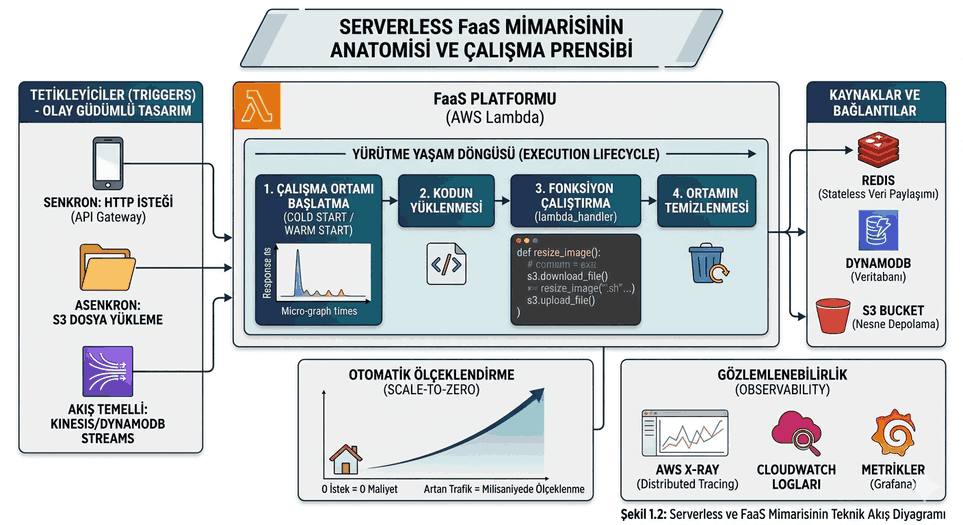
Native AOT (Ahead-of-Time) compilation, introduced with .NET 8.0, allows the application to skip the JIT (Just-In-Time) compilation phase, enabling it to start much faster and consume less memory. When working with microservices in a layered architecture, be sure to evaluate AOT mode to optimize cold start times.
Data Access Layer Optimization (EF Core 8)
Latency in the data layer often stems from unnecessary data fetching and database query plan generation processes.
Compiled Queries
Pre-generating the query plan for frequently repeated complex queries eliminates the cost of EF Core analyzing the query each time.
Data Sharing: Instead of transferring large data objects between layers, prevent memory copy operations by using modern memory structures like ReadOnlySpan<T> or Memory<T>.
Minimal API Advantage: If the presentation layer of your application is an API, switching from a Controller-based structure to Minimal API can reduce total latency by approximately 15-20% by shortening the middleware pipeline.
Logging Strategy: Logging can be a “silent killer” during transitions between layers. Minimize the use of ILogger in high-frequency calls and perform logging optimization at compile time using Source Generation.
Summary Performance Checklist
Optimization Area
Technical Approach
Expected Benefit
Object Mapping
Mapster/Mapperly (Source Gen)
Decrease in CPU usage
Database
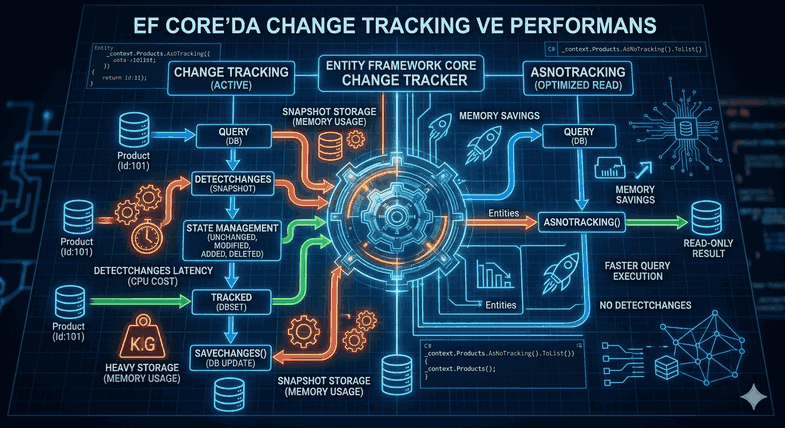
Compiled Queries + AsNoTracking
30% improvement in query latency
Thread Management
Use of ValueTask
Reduction in Garbage Collector load
Runtime
Native AOT compilation
Low cold-start and memory footprint
In N-Tier architecture, performance is not just about writing fast code, but reducing “friction” between layers with the right tools. With these modern libraries and compiler improvements, .NET 8.0 allows us to build high-performance systems without sacrificing the structured code advantages offered by a layered architecture.