We use cookies and other tracking technologies to improve your browsing experience on our website, to show you personalized content and targeted ads, to analyze our website traffic, and to understand where our visitors are coming from.
⚠️
GDPR & Cookie Policy Notice
In accordance with data protection regulations; the use of mandatory cookies is required for the core functions of our website to operate, ensure data security, and perform analytics. If you reject the use of cookies, it is not possible to benefit from the services on our website due to technical limitations and data synchronization interruptions. You must consent to the use of cookies to access the content on our site.
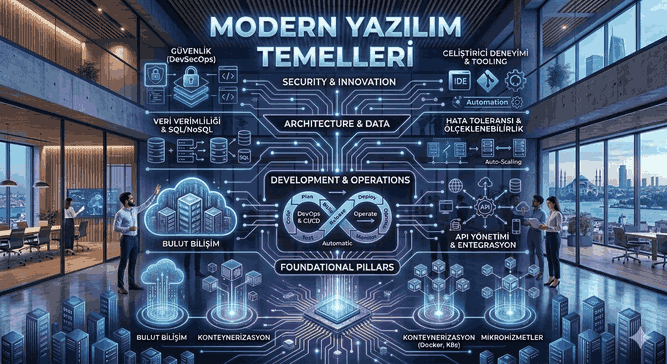
Foundations of Modern Software
Software development is not just about mastering the syntax of a programming language; it is the art of managing complexity. The success of a system is measured not by whether the code runs, but by how resistant it is to change, how easily it can be extended, and how low its maintenance costs are.
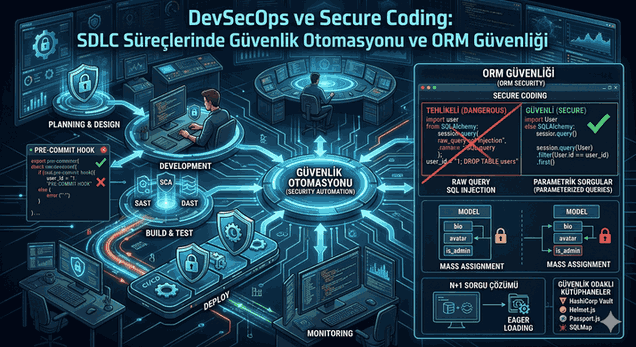
Figure 1: Foundations of Modern Software
Programming Paradigms: From Foundation to Pinnacle
The languages we use in the software development process are based on specific paradigms that shape how we solve problems.
Procedural Programming: Views the program as a sequence of operations and a stack of functions. Data and functions are separate. While ideal for small-scale scripts, it brings the risk of “spaghetti code” as projects grow.
Functional Programming: An approach where side-effects are minimized, and pure functions and immutability are prioritized. It offers mathematical precision and provides a major advantage in parallel processing workflows.
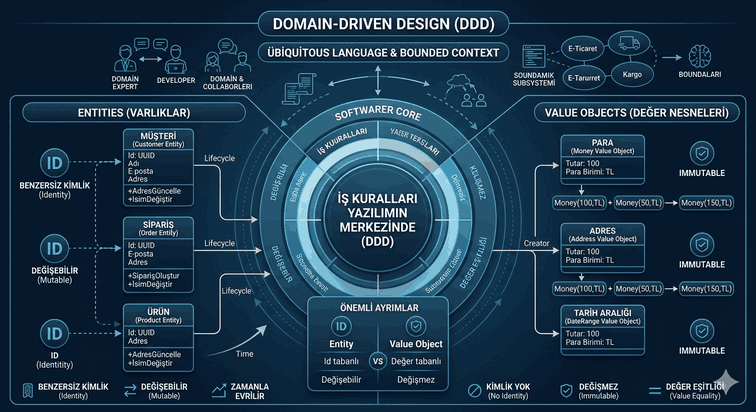
Object-Oriented Programming (OOP): Models the world through objects. It groups data and the methods that operate on that data within the same structure (class). It is the backbone of modern enterprise software.
OOP Philosophy and Engineering Advantages
OOP is not just about creating classes; it is a philosophy for optimizing a system’s lifecycle. The core values it offers us are:
Extendibility: The ability to add new features without breaking existing code.
Reusability: The ability for logic written once to be brought back to life in different modules.
Maintainability: The ease of isolating bugs and ensuring the sustainability of the system.
Building Blocks of Object-Oriented Programming: The 4 Main Pillars of OOP
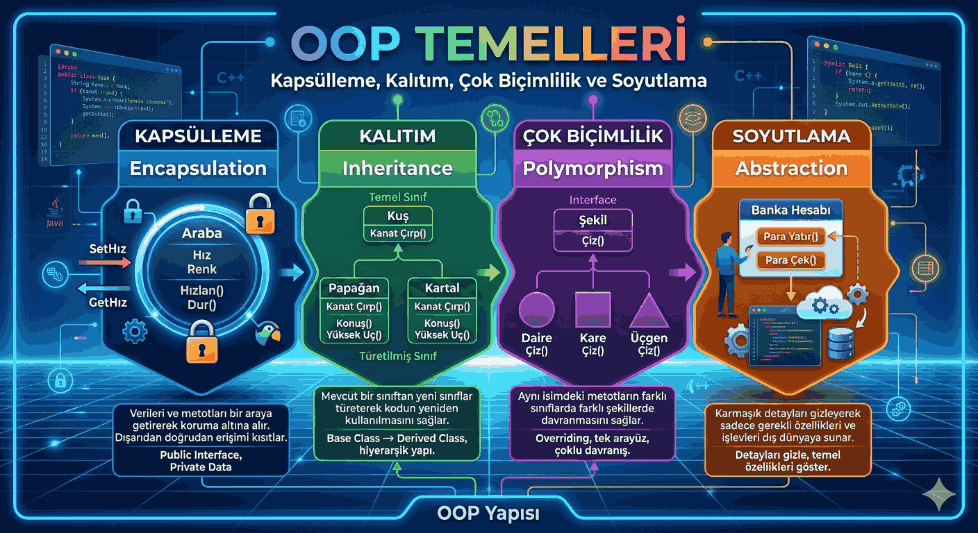
Encapsulation: Hiding data from the outside world and providing access only through defined interfaces. This protects data integrity.
Inheritance: A class inheriting properties from another class. It prevents code duplication, but can lead to “tightly coupled” systems if used incorrectly.
Polymorphism: The same method exhibiting different behaviors in different objects. It is the key to flexibility.
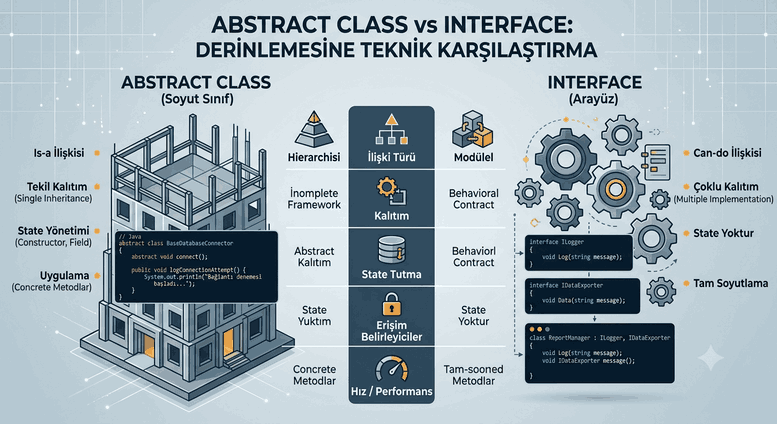
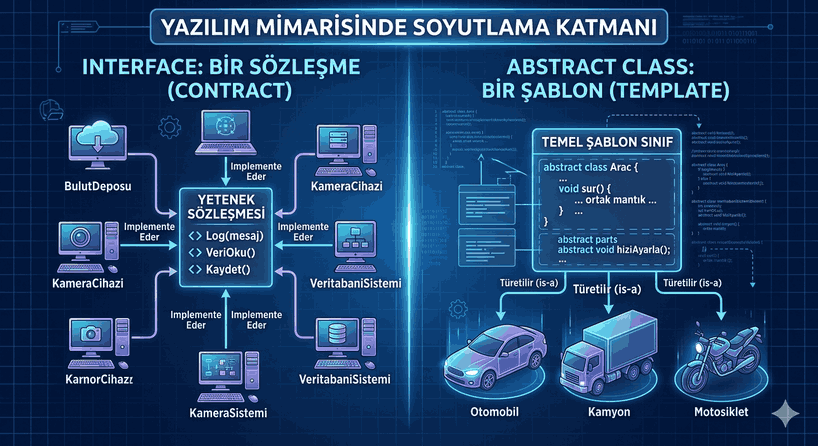
Abstraction: Hiding complexity to present only the necessary functionality to the user. Interface and Abstract classes are the architectural tools for this.
SOLID: The Constitution of Flexibility
Formulated by Robert C. Martin to keep code “clean,” SOLID principles are the handbook for every software architect.
Principle
Description
Single Responsibility
A class or method should have only one reason to change.
Open-Closed
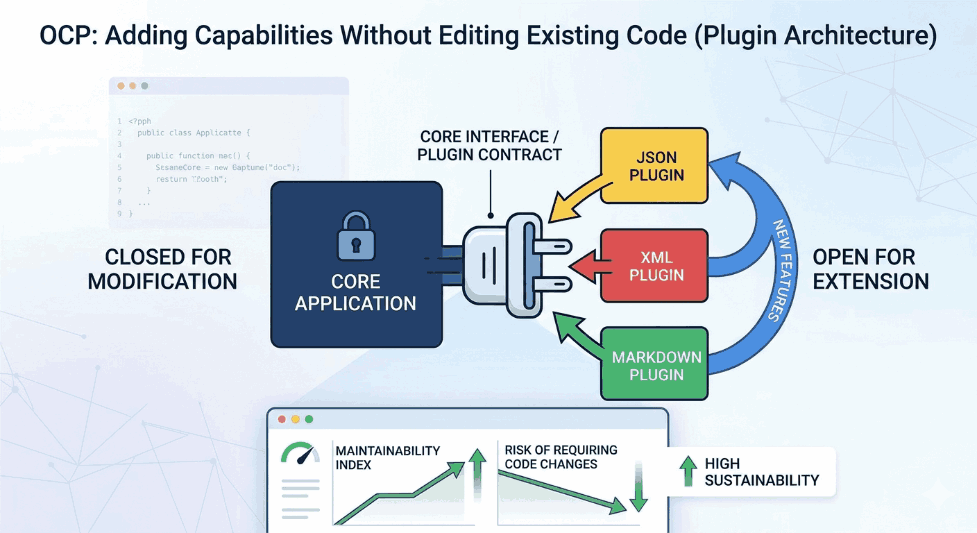
Software entities should be open for extension but closed for modification.
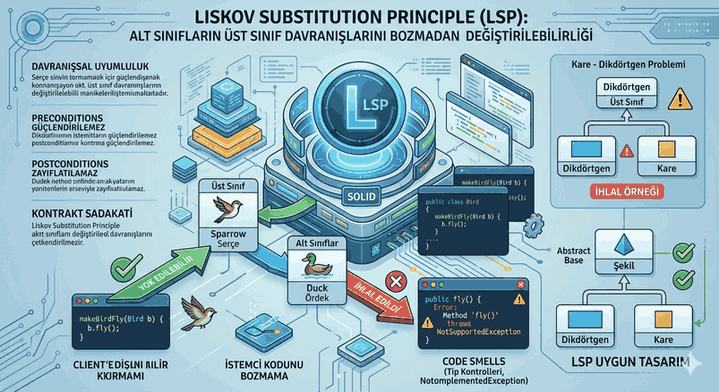
Liskov Substitution
Subclasses must be substitutable for their base classes.
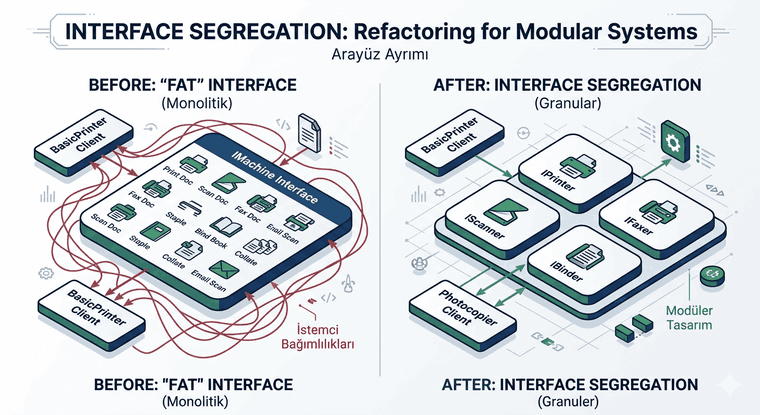
Interface Segregation
Clients should not be forced to depend on methods they do not use; small, specialized interfaces should be used instead of large, bloated ones.
Dependency Inversion
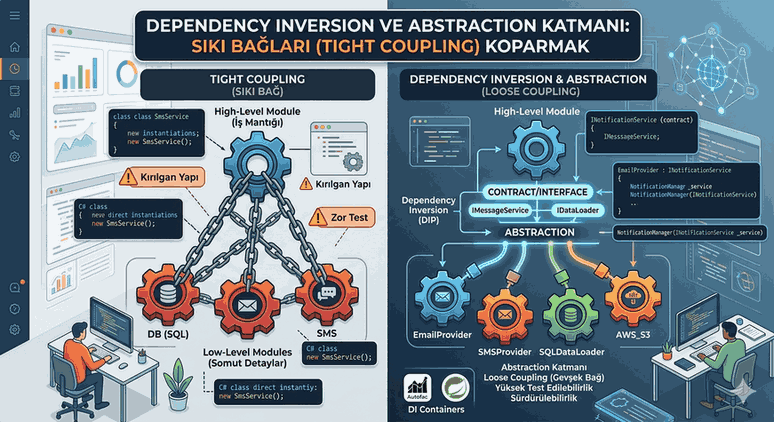
High-level modules should not depend on low-level modules; both should depend on abstractions.
Memory Management and Building Blocks
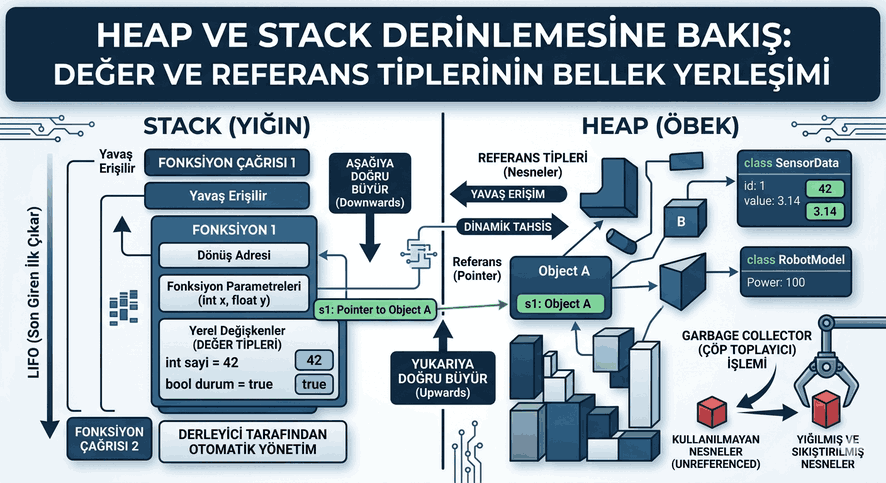
Performance and structural decisions in software are directly related to how object members are managed.
Static and Instance Distinction
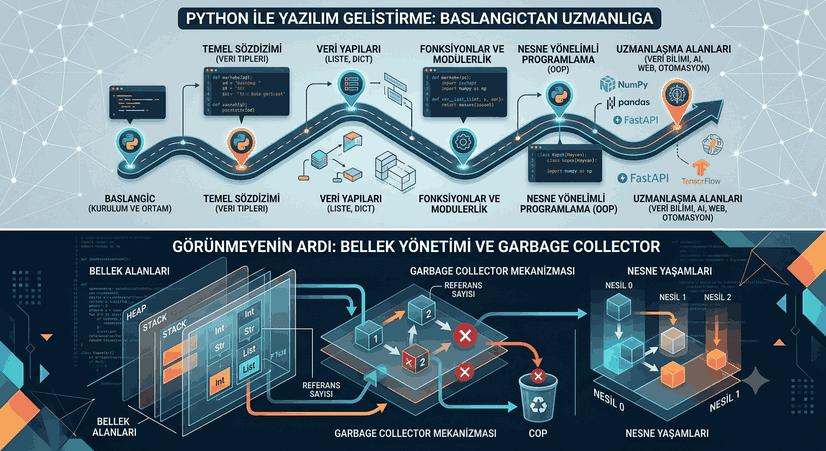
Instance Members: Specific to each object (instance). They are created when the object is instantiated into memory (Heap).
Static Members: Belong to the class. A single copy exists in memory (Stack/Static area) for as long as the application is running.
Static Classes: Classes containing only static members that cannot be instantiated. They are generally preferred for utility functions.
Data Access and Entity Framework Models
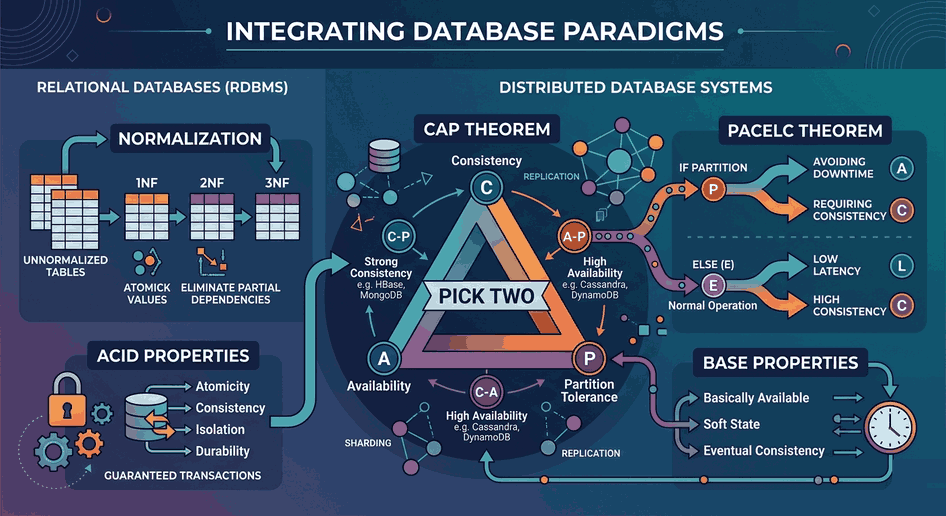
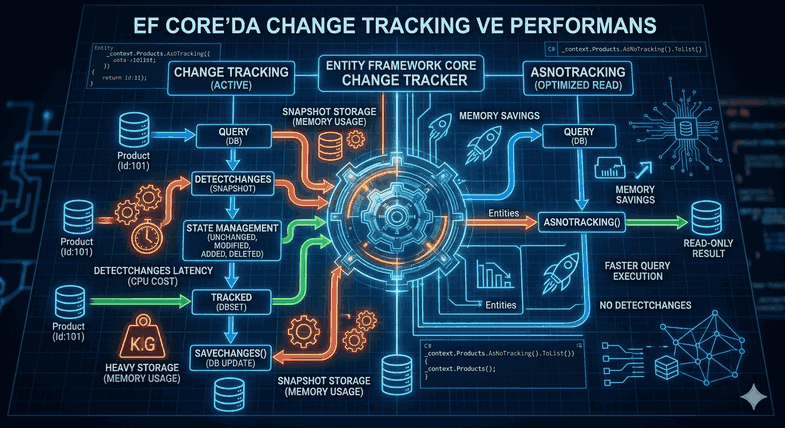
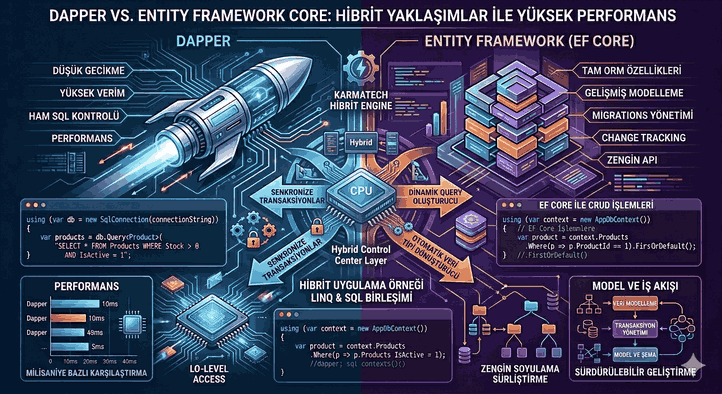
When building the bridge (ORM) between the database and the application in modern development, we can speak of three main models:
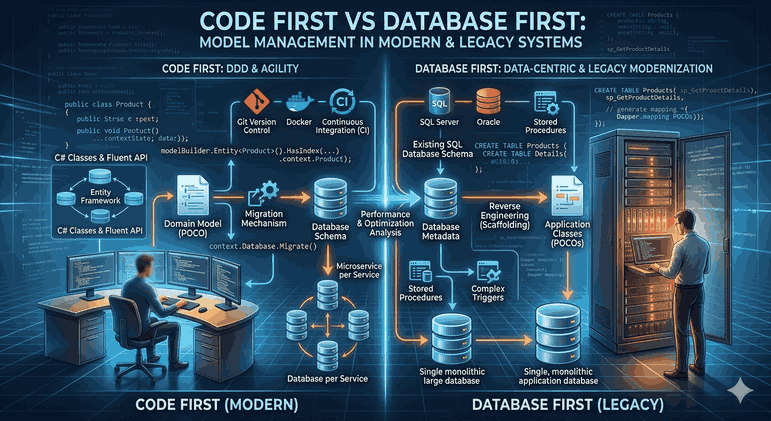
Database First: Automatic generation of models from an existing database.
Model First: Generating the database and classes via a visual designer (EDMX).
Code First: The developer’s favorite. Classes are written first, and the database is automatically shaped according to these classes. It is the most powerful approach in terms of flexibility and version control (Migrations).
Advanced Architecture and Design Patterns
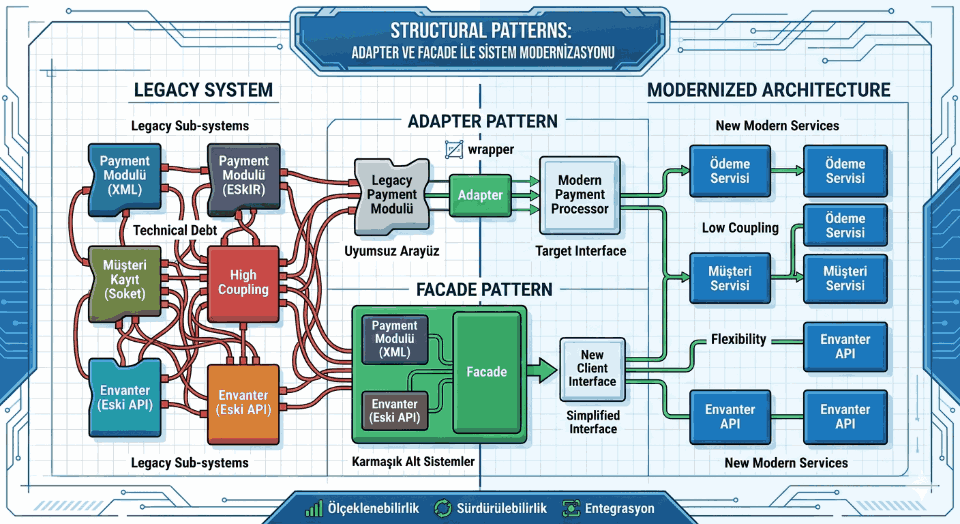
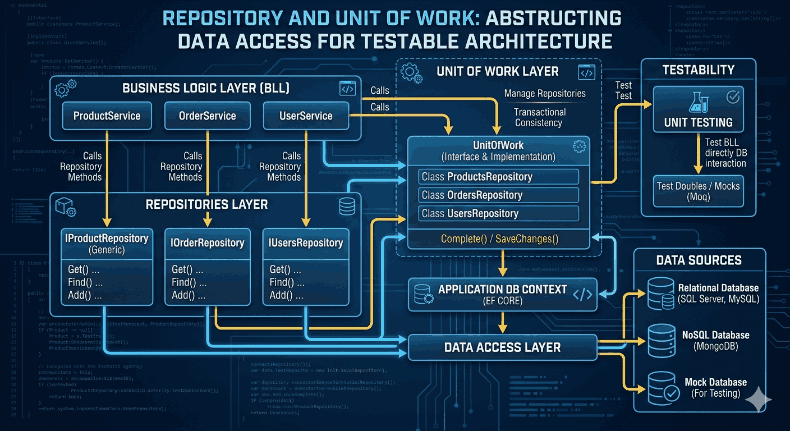
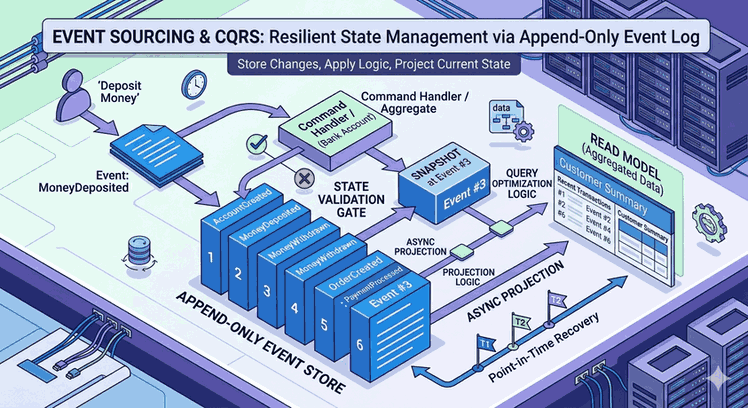
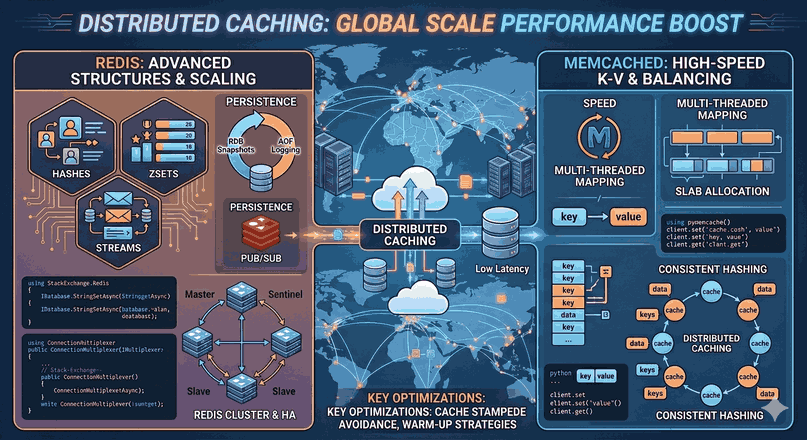
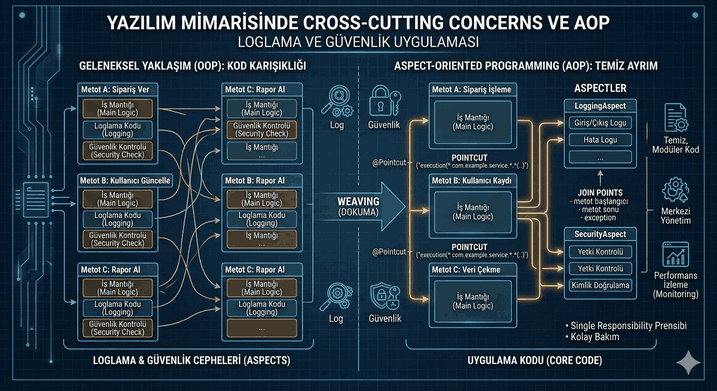
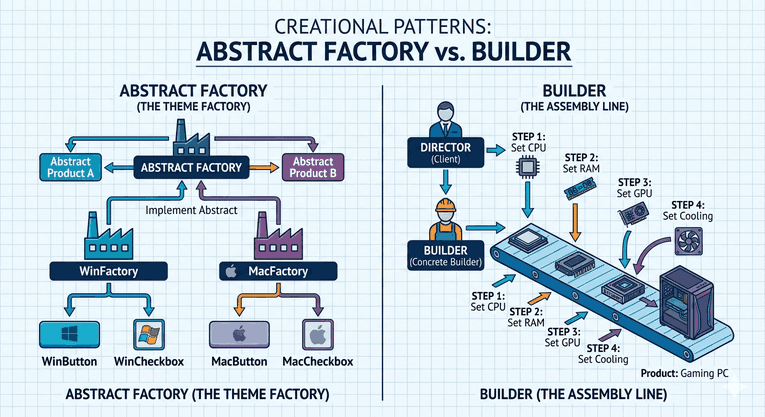
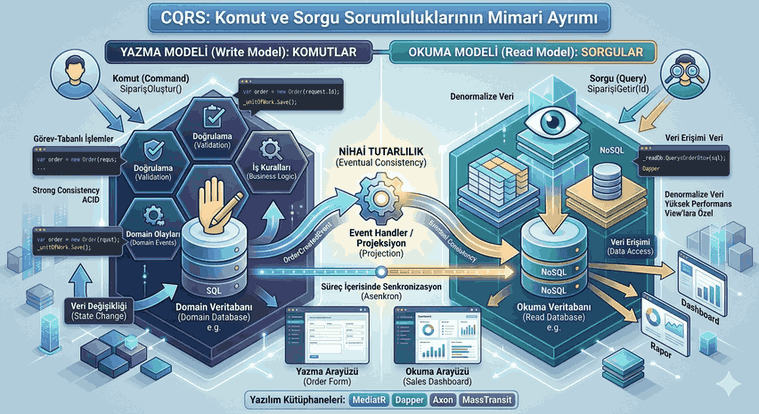
Writing code is not just about building algorithms. How the application is distributed, how inter-layer communication is provided, and the correct use of design patterns determine professionalism. From Singleton to Factory, from Observer to Decorator, each pattern is actually a standard solution to a chronic problem solved in the past.
My other technical reviews, case analyses, and experience sharing regarding software will continue to be updated under this category.